

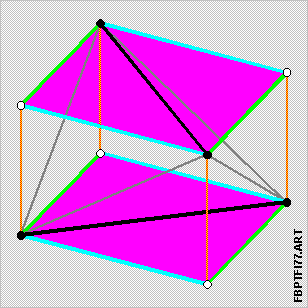

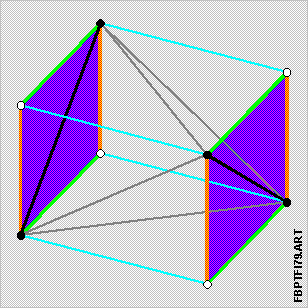
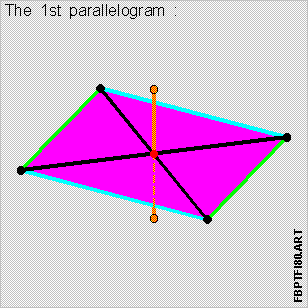
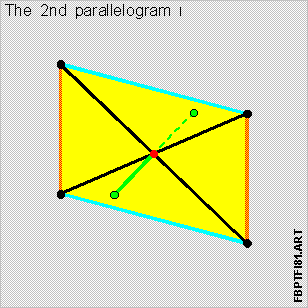
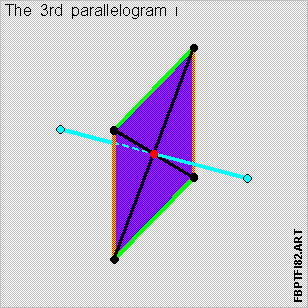
Several observations and comments here :
- The 2 ( diagonals } of the { parallelogram } always form a { quasi-cross } ,
- When the { parallelogram } becomes a { rectangle } , the lengths of the 2 { diagonals } are equal ,
- When the { parallelogram } becomes a { square } , the lengths are equal and the 2 { diagonals } intersect at [ right-angles ] .
Therefore ,
- The angles [ Theta ] , [ Psi ] and [ Gamma ] are controlling on the { realtive lengths } of { non-touching / opposite sides } .